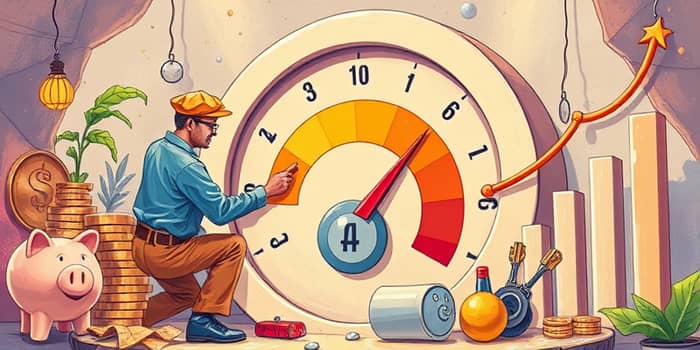
In today’s financial landscape, a strong credit score is more than a number—it’s a gateway to opportunity and stability. Crafting a robust credit profile blends technical knowledge with disciplined habits, guiding you toward better borrowing terms and financial resilience. This detailed guide presents the fundamentals, actionable tactics, and holistic strategies to help you elevate your creditworthiness and integrate it into a powerful financial framework.
Understanding Credit Score Fundamentals
A credit score is a numerical expression based on a person’s credit history that represents their reliability in repaying borrowed funds. Lenders like banks, credit card issuers, and mortgage companies rely on this number to assess risk and set interest rates, credit limits, and terms accordingly. Higher scores equate to lower borrowing costs and greater financial freedom.
The most common models, including FICO, range from 300 to 850. Scores above 670 are considered good, and those exceeding 800 unlock the most favorable terms. Consumers can access their credit reports free from each major bureau—Equifax, Experian, and TransUnion—at AnnualCreditReport.com, helping them monitor and maintain accuracy.
Regularly reviewing your report helps you catch errors, spot identity theft, and stay informed about factors shaping your credit profile. You’re legally entitled to at least one free report per bureau each year, with some lenders offering weekly access online.
The Five Levers of Credit Craftsmanship
Mastering credit is akin to operating a precision instrument—you must understand and balance its five core components:
- Payment history
- Amounts owed / credit utilization
- Length of credit history
- Credit mix
- New credit and inquiries
Payment history is the single most influential factor. On-time payments of credit cards, loans, and other obligations signal reliability. Conversely, late payments, defaults, and collections can linger on your report for years.
Credit utilization measures the total revolving balances divided by total limits. Experts recommend keeping this ratio below 30%. High utilization indicates greater risk, so regularly paying down balances or requesting higher limits can improve your standing.
The length of your credit history reflects account age and recent use. Older, well-managed accounts boost your score, while closing them can reduce your average age. A healthy credit profile also includes a mix of installment and revolving accounts, such as mortgages, auto loans, and credit cards, demonstrating versatility.
Finally, new credit accounts and hard inquiries can temporarily lower your score. Multiple applications in a short period may signal risk, so space out new accounts and only apply when necessary.
Practical Strategies to Improve Your Credit
Turning theory into practice requires disciplined routines and smart choices. These pillars form the backbone of your credit-crafting process:
- Payment discipline
- Managing credit utilization
- Building credit from scratch
- Smart new-credit behavior
- Ongoing maintenance and monitoring
First, pay all bills on time every month. Set up automatic payments or calendar alerts to avoid missed due dates. Even a single late payment can significantly harm your score, especially within the first 30 days.
To manage utilization, make multiple payments during the billing cycle rather than a single monthly batch. This tactic keeps reported balances low. You can also request higher credit limits without increasing spending to lower your utilization ratio.”
If you have little or no history, begin with a secured credit card or a starter card. These products require a refundable deposit but report to bureaus, helping you establish a track record. Being added as an authorized user on a trusted family member’s account is another way to “piggyback” on positive payment history.
When seeking new credit, only apply for what you truly need. Hard inquiries remain on your report for up to two years, with the most impact in the first year. Plan major credit events—such as auto loans or mortgages—several months apart to minimize score dips.
Finally, identify and dispute errors or inaccuracies on your reports. Small mistakes—incorrect balances, unauthorized accounts, or misreported late payments—can drag down your score. Filing disputes with the bureaus and creditors can restore accuracy and boost your profile.
Integrating Credit with Your Broader Financial Profile
A strong credit score doesn’t exist in isolation. It interacts with your cash flow, debt levels, savings, and risk management to shape your overall financial health. By aligning your credit strategies with budgeting and emergency planning, you unlock greater stability and growth.
Maintain an emergency fund equivalent to three to six months of living expenses. This cushion prevents you from relying on high-interest credit during unexpected events. Lower debt burdens and healthier credit lead to reduced interest payments, freeing up cash for savings or investments.
Regularly revisit your financial goals—short-term needs like an upcoming home purchase and long-term plans such as retirement—and adjust your credit targets accordingly. A well-managed credit profile can lower insurance premiums, improve rental prospects, and even influence employment opportunities.
By viewing your credit score as one instrument within a broader financial orchestra, you craft a harmonious and resilient profile ready to support your dreams.
Conclusion: Mastering the Craft of Credit
Building a strong financial profile is a journey of ongoing refinement. Armed with a deep understanding of credit mechanics, disciplined habits, and a holistic perspective, you can transform your credit score from a static number into a dynamic asset. Start today by reviewing your report, setting clear goals, and applying these craftsmanship principles to sculpt a future of financial freedom and confidence.
References
- https://www.guidestone.org/Resources/Education/Articles/Retirement/How-to-Build-Your-Credit-Score
- https://www.jify.co/blog/how-to-build-strong-financial-profile/
- https://www.johnsonfinancialgroup.com/resources/blogs/your-financial-life/understanding-your-credit-score-strategies-to-build-and-increase-credit/
- https://crown-bank.com/how-to-build-a-strong-credit-profile-for-your-small-business/
- https://www.consumerfinance.gov/ask-cfpb/how-do-i-get-and-keep-a-good-credit-score-en-318/
- https://www.lendingclub.com/resource-center/personal-finance/how-to-build-a-strong-financial-foundation
- https://www.myfico.com/credit-education/credit-scores
- https://reflectapp.com/blog/how-to-build-a-strong-financial-foundation-before-turning-30/
- https://consumer.ftc.gov/articles/credit-scores
- https://playerstrust.com/tips/3-keys-to-building-a-strong-financial-foundation
- https://www.usbank.com/credit-cards/credit-card-insider/building-credit/what-is-a-good-credit-score.html
- https://www.broadviewwealthmanagement.com/blog/building-a-strong-financial-foundation/
- https://hr.wustl.edu/improving-your-credit-score/
- https://www.communityamerica.com/blog/2025/seven-steps-to-building-a-strong-financial-plan
- https://gradschool.wayne.edu/professional-development/how-to-build-a-strong-credit-score-8392579