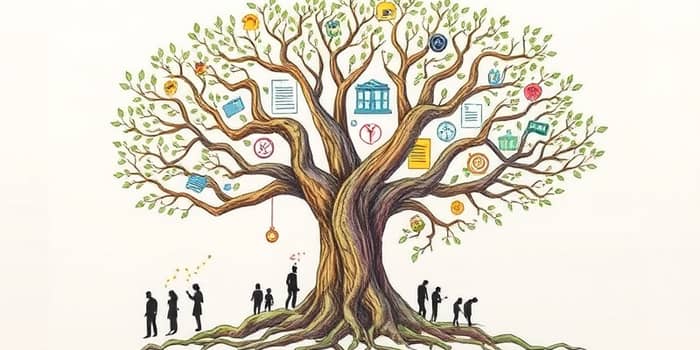
Legacy planning has evolved beyond a single document or transaction. It is a living, breathing system that weaves together legal frameworks, family values, and charitable intent to nurture the vision you hold for generations to come. By embracing this a holistic stewardship approach, you ensure that every part of your estate aligns to honor your memory, support your heirs, and amplify your impact on the world.
What “Estate Ecosystem” Means
Imagine your legacy as an interconnected network rather than isolated pieces. Like any thriving ecosystem, it relies on multiple layers—legal, financial, familial, and philanthropic—working in harmony. Each element affects the others: a change in one layer ripples through the entire structure.
Framing legacy as a system helps you see the big picture and the strategic connections between wills, trusts, family conversations, and charitable vehicles. This mindset empowers you to craft a robust plan designed for longevity and resilience.
Estate Planning vs. Legacy Planning
At its core, estate planning is the legal process of transferring assets, minimizing taxes, and preparing for incapacity. It addresses the “how” of distribution through wills, trusts, beneficiary designations, and powers of attorney. This foundation is vital, but it is only one piece of a larger puzzle.
Legacy planning transcends documents. It encompasses your values, family culture, and long-term stewardship. It answers the question: “What do I want my wealth to accomplish?” Beyond asset transfer, it nurtures relationships, instills financial wisdom in heirs, and embeds charitable giving into your family story.
Components of the Estate Ecosystem
Building a resilient legacy requires attention to every layer. Each component is essential, and neglecting one can weaken the entire plan. The key elements include:
- Legal layer: wills, trusts, financial and healthcare powers of attorney, beneficiary designations.
- Financial layer: detailed asset inventory, real estate, investments, insurance, retirement, business interests, digital holdings.
- Tax layer: estate, gift, and income tax planning through trust structures and gifting strategies.
- Family layer: governance principles, regular communication, conflict prevention, heir education.
- Values layer: traditions, stories, ethical principles, family mission statements.
- Philanthropy layer: donor intent, foundations, charitable trusts, scholarships, nonprofit partnerships.
- Business layer: succession plans, leadership development, continuity strategies for family enterprises.
- Review layer: ongoing updates after marriages, births, deaths, divorces, or legal changes.
A Practical Process to Cultivate Your Legacy
Transforming ideas into action requires a clear, step-by-step framework. Follow these seven steps to design and maintain your estate ecosystem:
- Inventory Everything: List property, accounts, insurances, business interests, collectibles, digital assets, and personal memorabilia.
- Clarify Your Goals: Define what success looks like—family well-being, land preservation, charitable impact, business continuity, or all of the above.
- Review Existing Documents: Gather wills, trusts, beneficiary forms, and powers of attorney. Identify gaps, inconsistencies, or outdated provisions.
- Design the Plan: Match goals to tools—revocable and irrevocable trusts, gifting techniques, charitable entities, and succession structures.
- Coordinate with Advisors: Build a team of legal, tax, and financial professionals. Ensure everyone collaborates with comprehensive tax-efficient transfer strategies in mind.
- Communicate with Heirs: Host family meetings or create letters and videos to explain your vision. Foster intergenerational education and stewardship.
- Update Regularly: Revisit your plan every 3–5 years and after significant life events. Embrace ongoing review and updates to keep your ecosystem healthy.
Bringing Values to Life
Your estate is more than a fiscal blueprint—it is a narrative of your beliefs and passions. When you embrace a values-first planning approach, every decision resonates with your deepest convictions.
Incorporate non-financial legacies such as letters, videos, scrapbooks, cookbooks, or a family archive. These artifacts carry your story forward and build intergenerational connection and trust among heirs.
Philanthropic tools like donor-advised funds or private foundations allow your values to extend beyond family. Whether supporting education, environmental conservation, or healthcare, a charitable giving initiative will immortalize the causes you hold dear.
Sustaining and Reviewing Your Ecosystem
No legacy plan endures in a vacuum. Life events—marriages, births, divorces, career changes, or shifting tax laws—demand adaptability. Schedule regular check-ups with your advisors and involve family members in the process. This practice not only safeguards your plan’s effectiveness but also fosters a culture of responsibility and transparency.
Conclusion
By framing your estate plan as an ecosystem, you weave together every legal document, financial asset, and family conversation into a unified whole. This holistic approach ensures that your legacy—your values, relationships, and philanthropic spirit—thrives across generations. Start today: build, communicate, and review your estate ecosystem, and cultivate a legacy that truly lasts.
References
- https://scm-advisors.com/estate-planning/legacy-building-strategies-how-to-make-your-wealth-last-for-generations/
- https://www.justvanilla.com/blog/legacy-planning-for-financial-advisors
- https://www.rmstoneattorney.com/building-a-legacy-that-lasts-meaningful-ways-to-make-a-positive-impact
- https://www.carsonwealth.com/insights/blog/legacy-planning-beyond-wealth-how-to-build-a-lasting-family-legacy/
- https://ecosystems.psu.edu/research/centers/private-forests/outreach/legacy-planning/your-land-your-legacy
- https://www.ameritas.com/insights/what-is-legacy-planning-and-do-i-need-it/
- https://dlpcapital.com/news/how-real-estate-can-help-you-achieve-a-lasting-legacy
- https://www.oppenheimer.com/news-media/2025/insights/articles/january/legacy-planning-a-key-component-of-financial-wellness
- https://www.bessemertrust.com/insights/a-closer-look-building-a-lasting-family-legacy-holding-real-estate-investments-in-trust
- https://andsimple.co/glossary/legacy-planning/
- https://www.banddbuilders.com/insights/designing-multigenerational-estates-for-lasting-legacy
- https://www.sbilife.co.in/blogs/life-hacks/legacy-planning
- https://case.fuqua.duke.edu/knowledge_items/cultivate-your-ecosystem/
- https://bulmanwealth.com/estate-planning/the-importance-of-estate-and-legacy-planning-as-your-wealth-grows/
- https://ssir.org/articles/entry/cultivate_your_ecosystem