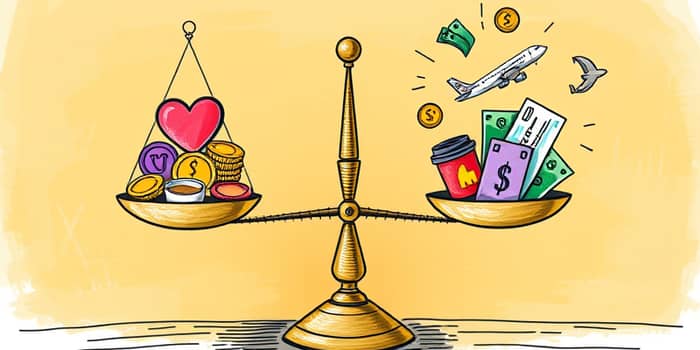
Budgeting doesn’t have to be overwhelming. The 50/30/20 rule offers a clear path to financial balance and peace of mind.
Definition and Overview
The 50/30/20 rule is a percentage-based budgeting method that divides your after-tax income into three targeted areas. It grew popular for its ease and adaptability, making it ideal for beginners and seasoned savers alike.
Under this framework, you allocate 50% of your earnings to essential costs, 30% to discretionary spending, and 20% to savings and extra debt payments. This straightforward approach empowers you to track expenses, curb overspending, and build a secure financial future.
Needs (50%)
Needs are the essentials you must cover each month to maintain your standard of living. Missing these payments can disrupt your daily life or damage your credit.
- Mortgage or rent payments
- Utilities such as electricity and water
- Groceries and basic household supplies
- Transportation costs (fuel, public transit, car payments)
- Insurance premiums (health, car, home)
- Required debt minimum payments
- Essential clothing and medication
Only include the minimum required payments for loans or credit cards here; any additional payments go under savings.
Wants (30%)
Wants are the fun parts of life—those extras that bring joy but aren’t strictly necessary for survival. This category helps you enjoy life while staying on track.
- Dining out or takeaway meals
- Streaming subscriptions and entertainment
- Hobbies, gym memberships, and personal care
- Non-essential shopping and gadgets
- Vacations and leisure travel
When you need to adjust your budget, this is the first category to trim without sacrificing essentials.
Savings and Debt Repayment (20%)
This portion goes toward building long-term financial health. It includes:
• Emergency fund contributions
• Retirement account deposits
• Investments in stocks or bonds
• Extra payments to reduce debt principal
How to Implement the 50/30/20 Rule
Putting this rule into practice involves a few simple steps. Over time, it can transform your money habits.
- Calculate your monthly take-home pay after taxes and deductions.
- List every recurring expense and label it as a need, want, or savings/debt.
- Allocate 50% of income to needs, 30% to wants, and 20% to savings.
- Adjust by reducing wants if expenses exceed your limits.
- Review and refine the plan every few months to stay on track.
Automating transfers into separate accounts can remove guesswork and ensure consistency.
Real-Life Examples
Consider these simple scenarios to see the rule in action:
With a $3,000 monthly take-home salary, you’d budget $1,500 for needs, $900 for wants, and $600 toward savings. On a $1,000 income, it becomes $500, $300, and $200 respectively. These clear figures help you visualize and control your cash flow.
Flexibility and Adjustments
No two financial journeys are identical. Your location, lifestyle goals, and debt level may require different splits.
In high cost-of-living areas, you might shift to a 60/20/20 or even 70/20/10 model. If you aim to accelerate debt payoff, reallocating wants money into extra payments can speed up your progress. The key is ensuring that needs are covered first before any discretionary or saving allocations.
Pros of the 50/30/20 Rule
This budgeting method shines because it’s:
• Simple to understand and apply
• Easy to remember with just three categories
• Flexible and customizable for different goals
By incorporating a dedicated “wants” category, it fosters guilt-free spending, making it more sustainable than overly restrictive budgets.
Cons and Limitations
Despite its appeal, this rule has drawbacks:
• It may not suit high-debt or low-income situations
• Allocating 30% to wants might feel too generous
• It doesn’t address every unique financial goal
• Lifestyle creep can erode savings if unchecked
For those needing granular expense tracking, envelope or zero-based budgeting might be more effective.
Tools and Tips for Success
Leverage modern tools to stay organized. Many banking apps and online calculators are built around the 50/30/20 framework, helping you visualize and adjust your budget in real time.
Additional best practices include:
• Using separate accounts or digital envelopes for each category
• Reviewing spending trends every month
• Adjusting allocations as life events change your priorities
Summary of Core Numbers
Conclusion
The 50/30/20 rule is more than a budgeting hack—it’s a roadmap to financial freedom. With clear percentages, it removes the stress of complex calculations and empowers you to make confident decisions. Whether you’re digging out of debt or building your first emergency fund, adopting this simple solution can set you on a path of lasting financial well-being and peace of mind.
References
- https://www.hancockwhitney.com/insights/how-50-30-20-budget
- https://www.moneybites.com/post/pros-and-cons-of-the-50-30-20-budget-method
- https://www.johnhancock.com/ideas-insights/debunking-50-30-20-budgeting-rule.html
- https://www.themuse.com/advice/50-30-20-budget-rule
- https://www.ecu.com/budgeting-using-the-50-30-20-rule/
- https://o1nemortgage.com/the-pros-and-cons-of-the-50-30-20-budgeting-strategy/
- https://www.nerdwallet.com/finance/learn/nerdwallet-budget-calculator
- https://www.pocketsmith.com/methodologies/the-50-30-20-method/
- https://www.northshorebank.com/about-us/connecting-with-you/budgeting/budgeting-made-simple-the-50-30-20-rule
- https://www.citizensbank.com/learning/50-30-20-budget.aspx
- https://bettermoneyhabits.bankofamerica.com/en/saving-budgeting/creating-a-budget