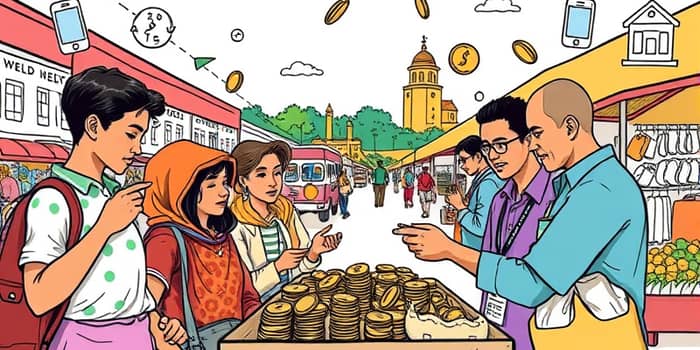
The journey toward financial independence no longer begins with deprivation; it starts with thoughtful, informed consumer decision-making to maximize value. In 2025, as prices climb and global concerns about inflation persist, each purchase carries meaning beyond the immediate thrill. Smart spending is an invitation to align our wallets with our values, bridging present needs and future aspirations. Embracing conscious consumption empowers individuals to claim authority over their finances, replace impulse with intention, and transform everyday transactions into steps toward long-term goals.
Defining Smart Spending and Conscious Consumption
At its heart, smart spending promotes prioritizing quality, function, and personal values over fleeting desires. Rather than viewing every purchase as a momentary reward, conscious consumption invites a deeper reflection on how goods and services contribute to wellbeing, community, and sustainability. This practice reshapes our relationship with money, turning wallets into tools for positive change. By deliberately selecting products that endure or experiences that enrich, consumers can escape the traps of impulsive buying and algorithm-driven temptations, fostering financial resilience.
Economic and Social Backdrop
Between 2024 and 2025, rising costs have tested household budgets across the globe. The US Consumer Price Index rose by 2.4% year over year through May 2025, with food inflation at 2.9%. Despite slight easing, 74% of consumers remain worried about everyday price surges. This economic anxiety has fueled a shift away from mindless consumption toward delay non-essential purchases to curb impulse buying. As shoppers confront the realities of tighter income and uncertain job markets, the impetus to plan and research has never been stronger.
Alternative strategies such as bulk buying, discount chasing, and private-label selections have gained traction. Consumers are embracing autonomy over their spending habits, resisting automated ads and asserting control through digital and analog research methods.
Changing Consumer Behaviors
Modern shoppers are more deliberate than ever, leveraging technology and community wisdom to guide their decisions. Around 23% of individuals actively use budgeting apps, while 67% opt to cook and eat at home more frequently. A growing cohort practices function, performance, and values drive purchase choices, favoring durability over disposability. Smart splurges on high-quality discretionary items have risen as well, with 44% planning to allocate budget toward meaningful treats when discounts align with long-term satisfaction.
- 56% focus spending on essentials and durable goods.
- 55% have reduced non-essential purchases this year.
- 33% canceled at least one monthly subscription.
- 29% buy in bulk to lower per-unit costs.
- 14% more actively search for discount codes or deals.
Generational Perspectives
Each generation brings unique priorities and pressures to the shopping landscape. Recognizing these differences reveals patterns that anyone can adapt for smarter spending.
Understanding how social context influences choices can help consumers adopt the best tactics for their stage of life, whether that means timing purchases around sales or investing in reliable brands that stand the test of time.
Emotional and Community Drivers
Buying decisions are rarely purely rational; they are shaped by emotional currents and social connections. Many consumers now seek purchases that enhance confidence, health, or ethical alignment. Micro-communities, trusted peer reviews, and niche influencers have become powerful forces, eclipsing mass marketing. Those who practice smart spending lean on these networks to vet products, cross-check information, and stay accountable. In doing so, they replace the emptiness of impulsive shopping with the satisfaction of use community wisdom and trusted recommendations—a method that fosters both better choices and deeper relationships.
Actionable Strategies for Smart Spending
- Set clear financial goals tied to long-term priorities.
- Adopt a ‘wait & evaluate’ approach before major purchases.
- Maximize tools such as budgeting apps and price comparison sites.
- Prioritize quality and function over fleeting trends.
- Embrace experiences over material possessions.
- Practice mindful “smart splurging” by allocate budget for discretionary smart splurges.
- Leverage community advice to inform each transaction.
- Buy in bulk, shop sales, and explore private-label essentials.
By integrating these tactics into daily life, consumers can build habits that protect resources, reduce waste, and deliver genuine satisfaction with every dollar spent.
The Future of Conscious Consumption
As technology, social consciousness, and economic factors continue to evolve, the practice of smart spending will become even more essential. Emerging trends like GenAI-powered shopping, invite-only platforms, and human-curated experiences promise richer, more personalized journeys. Brands that adapt to this shift by offering authentic value, transparency, and community engagement will thrive.
Ultimately, smart spending is more than a reaction to price hikes; it is a proactive philosophy that honors the connection between money, self, and society. Through intentional actions and collective wisdom, we can transform consumption into a powerful tool for growth, resilience, and positive impact.
Conclusion
Smart spending is not about limiting happiness; it is about unlocking a pathway to financial security, personal fulfillment, and community well-being. By cultivating intentional, value-driven spending habits and using the strategies outlined above, anyone can harness the power of mindful consumption to fuel their aspirations and contribute to a more sustainable future.
References
- https://www.greenbook.org/insights/consumer-behavior/the-rise-of-intentional-spending-in-2025
- https://www.letshighlight.com/blog/the-real-impact-of-inflation-on-consumer-spending-in-2025
- https://www.bcg.com/publications/2025/consumers-are-rewriting-rules-year-end-sales
- https://www.pwc.com/us/en/industries/consumer-markets/library/gen-z-consumer-trends.html
- https://khoros.com/blog/millennial-buying-habits
- https://www.mckinsey.com/industries/consumer-packaged-goods/our-insights/state-of-consumer
- https://www.gwi.com/blog/baby-boomers-spending-habits
- https://www.goodman.com/about-goodman/insights/how-consumers-are-spending-in-2025
- https://www.deloitte.com/us/en/insights/industry/retail-distribution/consumer-behavior-trends-state-of-the-consumer-tracker.html